Introduction
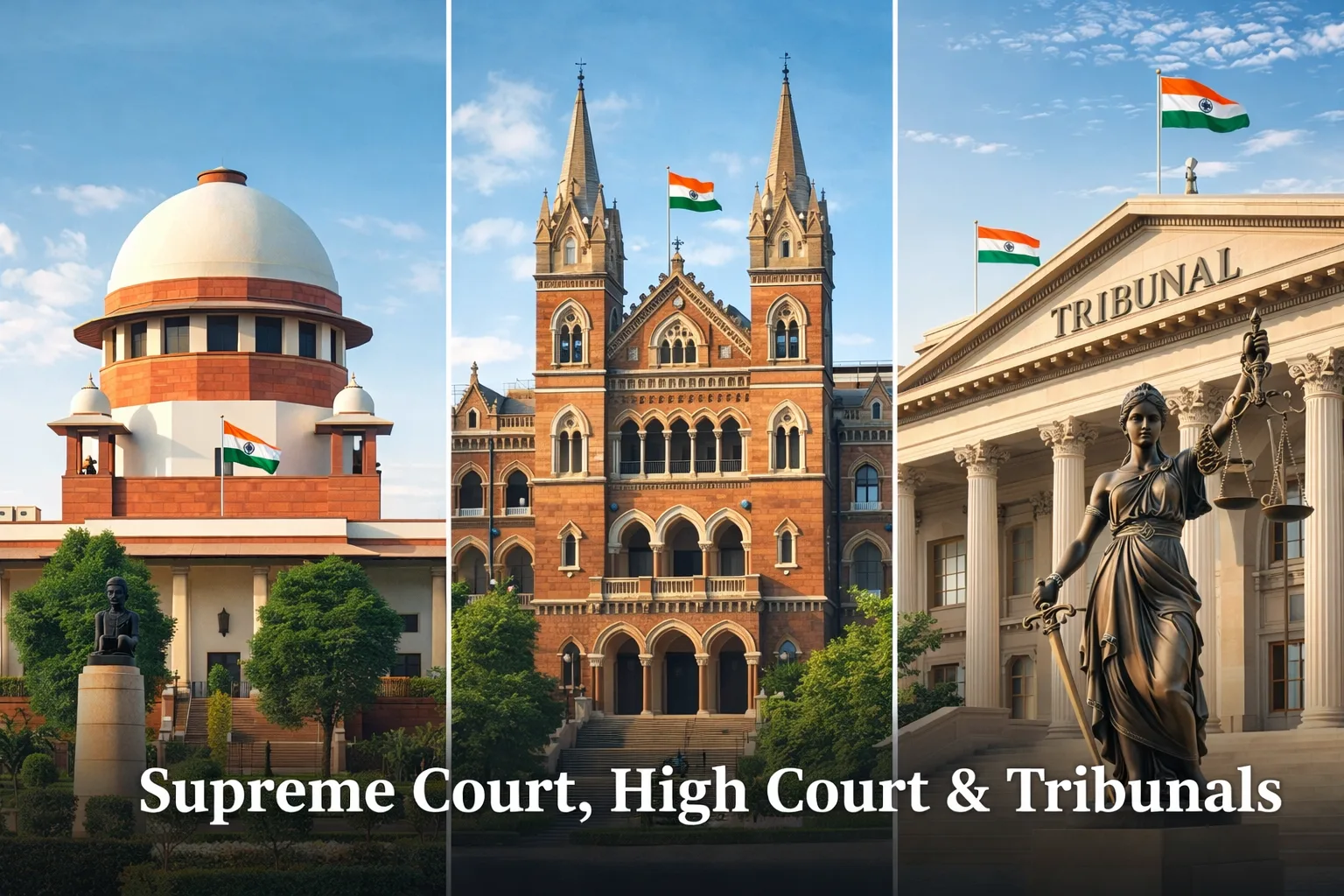
Some legal disputes become complicated because they pass through several stages of the Indian judicial system and involve detailed questions of law. Matters reaching the Supreme Court may require careful preparation, proper documentation and a clear understanding of the issues involved. A Supreme Court Advocate can assist with matters that require representation before the country’s highest court. The work is not only about arguing in court; reviewing previous orders, understanding the facts and preparing the case properly can take a lot of time behind the scenes.
Understanding Supreme Court Proceedings
The Supreme Court of India deals with constitutional questions, civil and criminal appeals, special leave petitions and various other matters within its jurisdiction. Each type of proceeding can have its own procedural requirements. Before taking a matter forward, it is important to understand what stage the case has reached and what legal remedy may be available. A Supreme Court Advocate can examine the relevant orders and documents and explain the procedural position in a particular matter.
Importance of Case Preparation
Good preparation is often what makes a complicated case easier to understand. Previous judgments, lower court orders, petitions, evidence and other relevant records may need to be examined carefully. The facts should also be arranged in a logical sequence so that important events are not lost in unnecessary detail. It sounds simple, but going through a large bundle of old documents is rarely anyone’s favourite job. Still, missing one important order can create problems later.
Civil and Criminal Matters
Supreme Court proceedings can involve many different areas of law. Civil disputes may concern property, commercial disagreements, contracts or other legal rights, while criminal matters can involve appeals and challenges to earlier judicial decisions. The approach depends heavily on the nature of the case and the orders already passed. A Supreme Court Advocate can review the available material and help explain the legal issues and possible procedural steps relevant to the matter.
Reviewing Orders and Legal Options
Before approaching the Supreme Court, the previous decisions in the matter should be examined carefully. Lower court judgments, interim orders and final decisions may contain findings that directly affect the next stage. Relevant legal precedents may also need to be researched. A proper review can help identify the real point of disagreement instead of repeating arguments that have already been considered. This preparation can save time and make the legal position much clearer.
Conclusion
Cases before the Supreme Court require careful attention to procedure, facts, documents and applicable law. A Supreme Court Advocate can assist with reviewing the matter, preparing legal documents and presenting arguments in proceedings falling within the Court’s jurisdiction. The appropriate approach will depend on the nature of the dispute and its procedural history. There is no universal strategy for every case. Proper preparation, accurate records and timely legal action can make a significant difference when dealing with a complex Supreme Court matter.